What Does Depression Look Like?
October 10, 2025
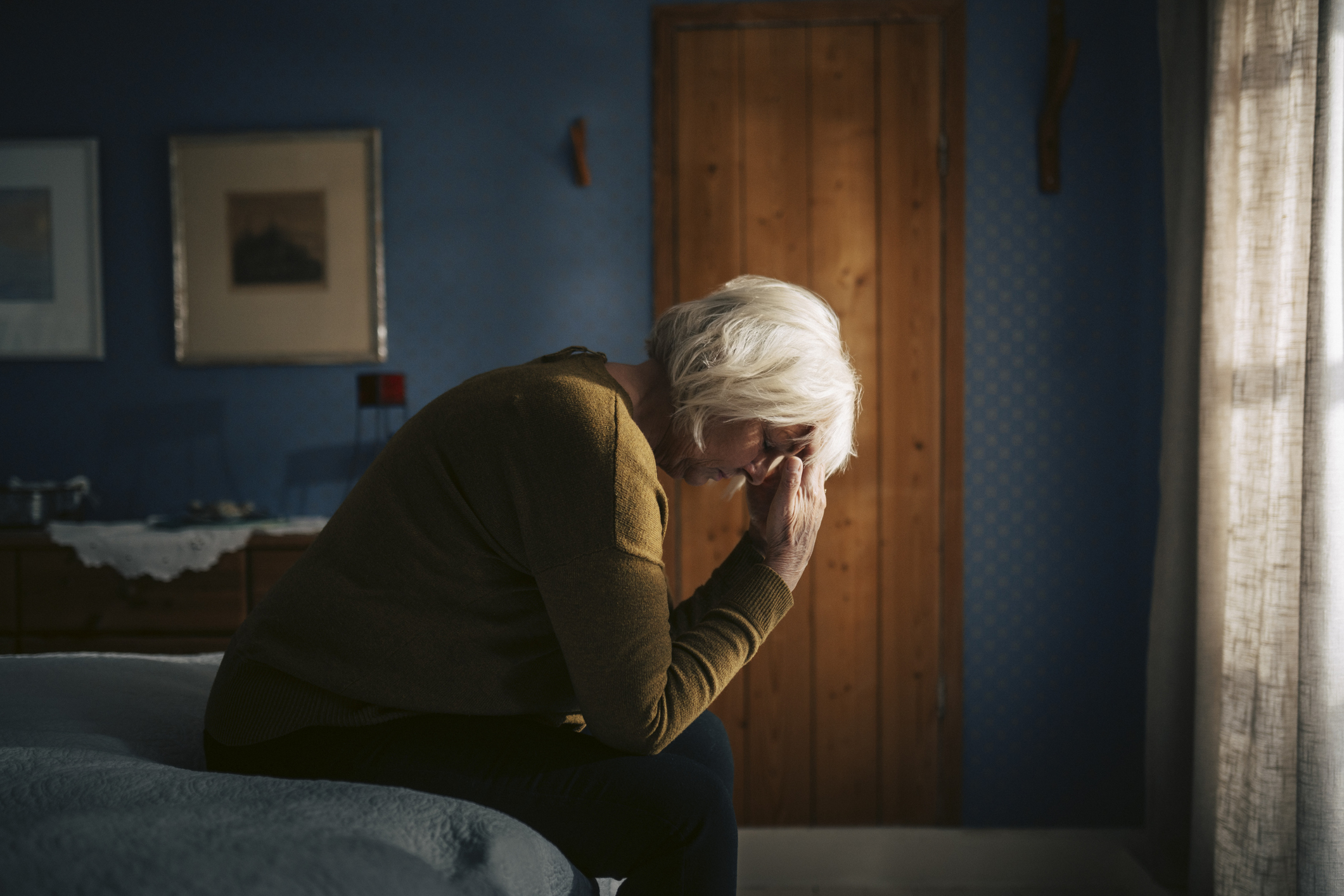
Depression is more than just feeling sad. It’s a complex mental health condition that affects how you feel, think and handle daily activities. Understanding what depression looks like can help you recognize it in yourself or others and seek the right help.
Depression can manifest in many forms, and it’s important to recognize that it doesn’t look the same for everyone. Here are some common signs and symptoms:
Signs of depression
- Persistent Sadness: Feeling down, hopeless or empty most of the day, nearly every day.
- Loss of Interest or Pleasure: No longer enjoying activities that you once found pleasurable.
- Changes in Appetite: Significant weight loss or gain unrelated to dieting.
- Sleep Disturbances: Insomnia or oversleeping.
- Fatigue: Feeling tired and lacking energy even after adequate rest.
- Feelings of Worthlessness or Guilt: Harsh self-criticism or disproportionate feelings of guilt.
- Difficulty Concentrating: Trouble thinking, making decisions or remembering things.
- Physical Symptoms: Aches, pains or digestive problems without a clear physical cause.
How does depression feel?
Depression can feel like a heavy fog that clouds your mind and leaves you feeling isolated and helpless. Individuals often describe it as a weight pressing down on them, making it hard to move or think clearly. It’s crucial to understand these feelings are common and that you’re not alone.
Types of Depression
Depression comes in various forms, each with its own characteristics:
Major depressive disorder
This is the most common type, characterized by severe symptoms that interfere with the ability to work, sleep, study, eat and enjoy life. To be diagnosed, symptoms must last at least two weeks.
Persistent depressive disorder
Also known as dysthymia, this type of depression is less severe but more chronic, lasting for at least two years. People with this disorder might experience periods of major depression along with times of less severe symptoms.
Bipolar disorder
Formerly called manic-depressive illness, it involves mood shifts that include emotional highs (mania or hypomania) and lows (depression).
Seasonal affective disorder (SAD)
This type occurs at a specific time of year, usually in the winter when there is less natural sunlight. Symptoms often improve with the coming of spring.
Postpartum depression
More than just the “baby blues,” postpartum depression can occur after childbirth and is characterized by feelings of extreme sadness, anxiety and exhaustion.
Coping skills for depression
Learning effective coping skills is vital for managing depression. Here are some strategies to consider:
- Reach Out for Support: Talk to friends, family or a mental health professional about how you’re feeling.
- Stay Active: Regular exercise can help reduce symptoms of depression by releasing endorphins, which improve mood.
- Establish a Routine: Having a daily routine can provide structure and help reduce feelings of chaos.
- Set Realistic Goals: Break tasks into smaller steps and celebrate your accomplishments, no matter how small.
- Practice Mindfulness: Techniques like meditation, deep breathing and yoga can help you stay grounded and reduce stress.
- Limit Alcohol and Caffeine: These substances can worsen depression and anxiety symptoms.
How To Treat Depression
Treatment for depression typically involves a combination of therapies, medication and lifestyle changes. Here are some common approaches:
Depression therapy
- Cognitive Behavioral Therapy (CBT): This form of therapy helps you identify and change negative thought patterns and behaviors.
- Interpersonal Therapy (IPT): Focuses on improving relationships and communication, which can help reduce symptoms.
- Psychodynamic Therapy: Explores past experiences to uncover and resolve unconscious conflicts.
- Group Therapy: Provides support and encouragement from others who understand what you’re going through.
Medications
Antidepressants can help balance chemicals in your brain that affect mood and emotions. It’s important to work with a healthcare provider to find the right medication and dosage.
Lifestyle changes
Incorporating healthy habits into your routine can have a positive impact on your mental health. This includes regular exercise, a balanced diet and sufficient sleep.
Alternative treatments
Some people find relief with alternative treatments such as acupuncture, massage or herbal supplements. Always consult with a healthcare provider before starting any new treatment.
Seeking Help
Recognizing depression is the first step toward recovery. If you or someone you know is experiencing symptoms of depression, it’s crucial to seek help from a mental health professional. Early intervention can lead to more effective treatment and better outcomes.
Get Outpatient Treatment for Depression
Depression is a serious but treatable condition. Understanding its signs and symptoms, types and treatment options can empower you to take action. Remember, you are not alone, and help is available.
By taking proactive steps and seeking professional guidance, you can manage depression and improve your quality of life. If you suspect you may be experiencing depression, reach out to a healthcare provider today. Your mental health is important, and taking the first step toward recovery is a courageous and vital move.
If you are looking for mental health treatment, Thousand Branches Wellness provides outpatient mental health support for people just like you. Visit our website to learn more or call us today at 877-829-2923 to get started on your journey to better mental health.