
Trauma Therapy and PTSD Treatment
When life feels heavy and the past won’t let you go, you don’t have to face it alone. Compassionate, evidence-based trauma therapy is available in person and online.
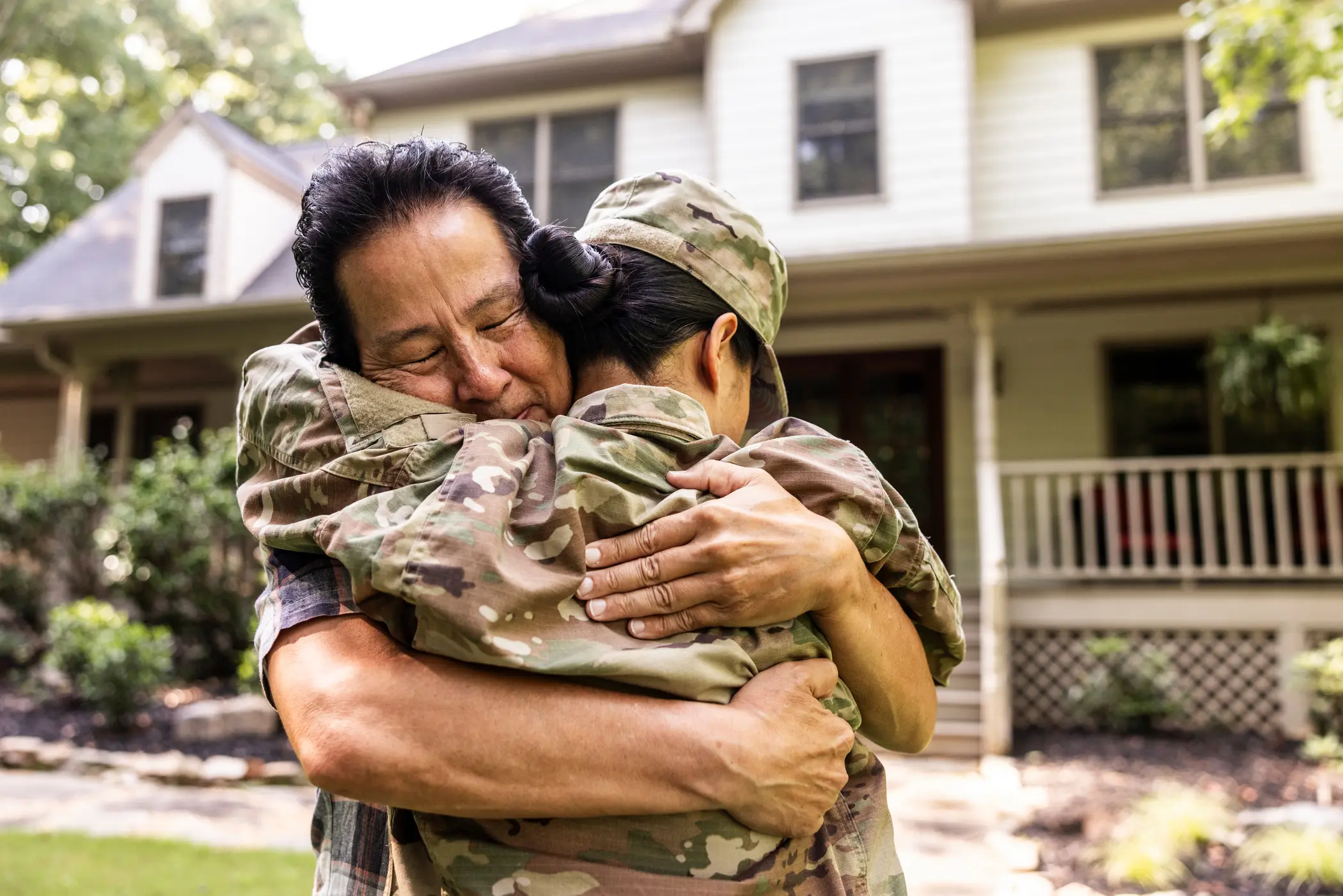
Recognizing Trauma and PTSD
Something difficult happened. And now, even when you’re safe, your mind and body keep responding as if the danger hasn’t passed. That’s what trauma does. It changes the way the brain processes memory, threat and emotion. Post-traumatic stress disorder, or PTSD, is a recognized mental health concern that can develop after experiencing or witnessing a threatening event. It doesn’t only affect combat veterans or survivors of natural disasters. Trauma can follow any experience that left you feeling powerless, frightened or unsafe, including accidents, loss, abuse, medical events or relationship harm. You may recognize some of these signs in yourself:
- Intrusive memories: Flashbacks or recurring thoughts that pull you back to the experience, even when you don’t want them to
- Avoidance: Steering clear of people, places or conversations that remind you of what happened
- Sleep difficulty: Trouble falling asleep, staying asleep or waking from distressing dreams
- Emotional numbness: Feeling disconnected from yourself, others or things that once brought you joy
- Heightened reactivity: Feeling on edge, irritable or easily startled in situations that feel ordinary to others
These responses aren’t signs of weakness. What you’re feeling is real. And it can get better.
You Don’t Have to Keep Going Through This Alone
Reaching out for support can feel like one of the hardest things to do. That’s understandable. You may worry that what you’ve been through is too much, or that therapy won’t make a difference after so much time has passed. You might feel unsure about what to expect, or wonder whether anyone will truly understand your experience without judgment. These concerns are common, and they’re worth naming. Here’s what’s worth knowing: evidence-based approaches to PTSD treatment can reduce symptoms even when trauma happened years ago. Healing isn’t always linear. There may be days that feel harder than others, and that’s a normal part of the process, not a sign that something is wrong with you. Untreated PTSD can affect more than your emotional wellbeing. Over time, it can strain relationships, make daily functioning more difficult and take a toll on physical health. Seeking trauma therapy isn’t about reliving the past. It’s about building the skills to live more fully in the present. You don’t have to figure this out alone. The clinicians at Thousand Branches Wellness are here to work alongside you, at whatever pace feels right.
Our Approach to Trauma Therapy
Trauma therapy at Thousand Branches Wellness is built around you. Treatment plans are personalized to each person’s history, symptoms and goals, drawing on approaches that research has shown to be particularly helpful for trauma and PTSD. The treatment options available include:
- Cognitive Behavioral Therapy (CBT): Helps you identify and gradually shift thought patterns connected to your trauma, so the past has less power over how you feel in the present.
- Dialectical Behavior Therapy (DBT): Builds practical skills for managing difficult emotions and distress that can be linked to traumatic experiences.
- Eye Movement Desensitization and Reprocessing (EMDR): A structured therapy that helps the brain reprocess painful memories so they become less vivid and less distressing over time.
- Individual therapy: One-on-one sessions, conducted in a confidential setting, available in person or virtually.
- Intensive Outpatient Program (IOP): A structured option offering more frequent support for those who need it, while allowing you to continue your daily life at home.
Virtual services are available across all Thousand Branches Wellness locations, so care can fit into your life regardless of where you are or what your schedule looks like.
Who Can Benefit from Trauma Therapy?
Trauma touches people across every background, age and experience. Trauma-informed care at Thousand Branches Wellness is available for adolescents, adults, veterans, active-duty military and military families. We accept major commercial insurance plans, and private-pay options are also available. For details about coverage, give us a call or contact us online. Wherever you are in your healing, there’s a place for you here.
Find Trauma Therapy Near You
Reaching out takes courage. That’s worth acknowledging. You may not feel ready. You may still have doubts about whether things can really get better. Those feelings make sense. But if you’ve read this far, something in you is already looking for a way forward. The clinicians at Thousand Branches Wellness are here without judgment, ready to meet you where you are. You don’t have to have everything figured out before you call. You just have to take one step.
Frequently Asked Questions
Get Help for Your Mental Health Issues Today
If you or a loved one is struggling with the warning signs of a mental health issue or are beginning to worry that you might need help, please reach out to Thousand Branches Wellness today. We are more than happy to connect you to the right care for you.
Our admissions team is available 24/7 to answer your questions, provide a level-of-care assessment and connect you to the care you need. Call Thousand Branches Wellness today at 877-829-2923 and start your journey to better mental health now.
In case of a mental health crisis, CALL 988 or seek the nearest emergency room.
